Greenwood Village AC Installation: Central Air with Ducts
If you already have supply and return ducts, central air installation becomes a smart, lower‑disruption upgrade. This guide explains how central air is installed in a house with ductwork, what matters most for efficiency, and where homeowners in Littleton and the Denver metro can save with rebates. You will see exactly what our NATE‑certified team checks before, during, and after the job so your new system runs quietly, evenly, and efficiently.
The Big Picture: How Central Air Uses Existing Ducts
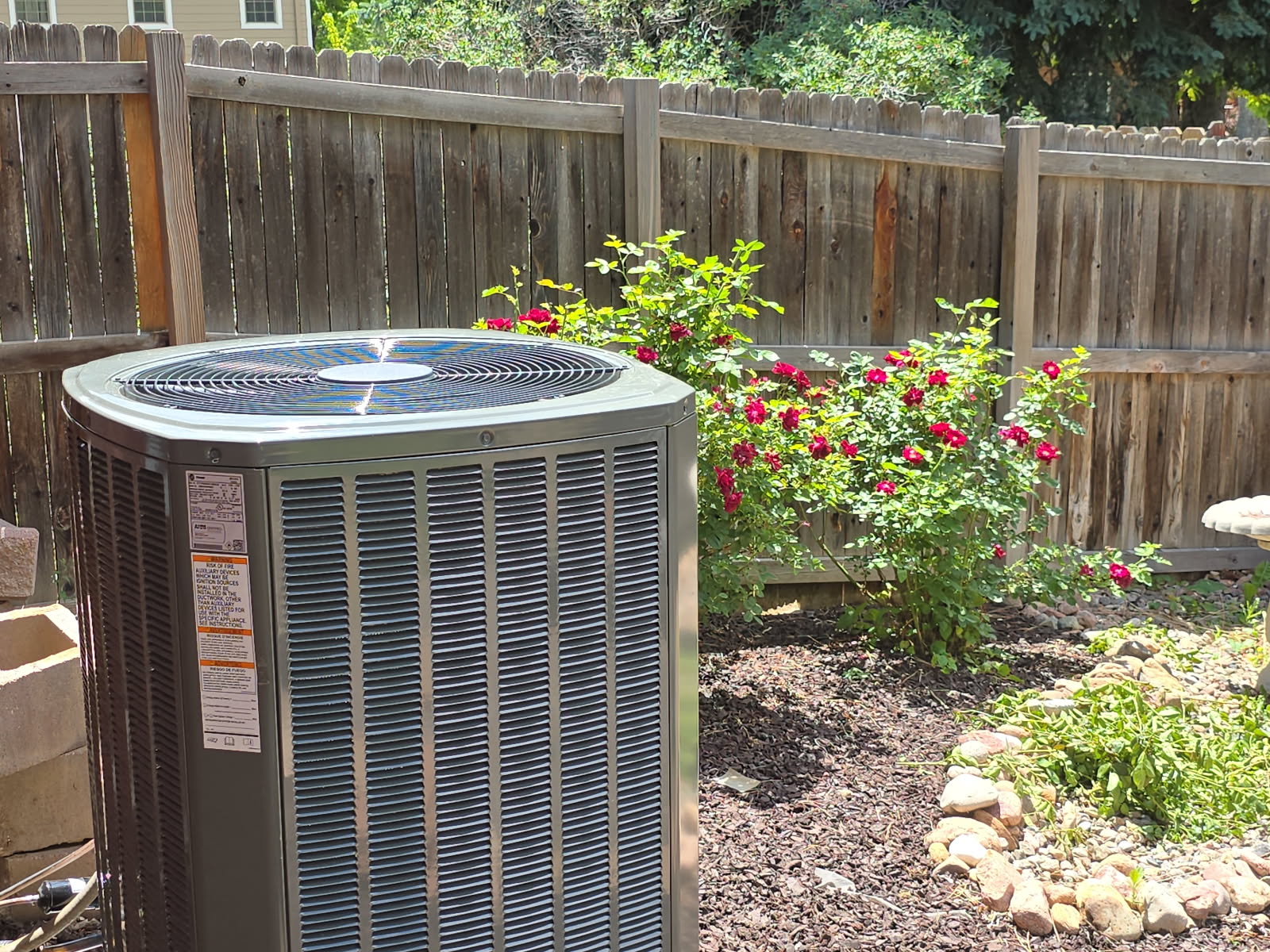
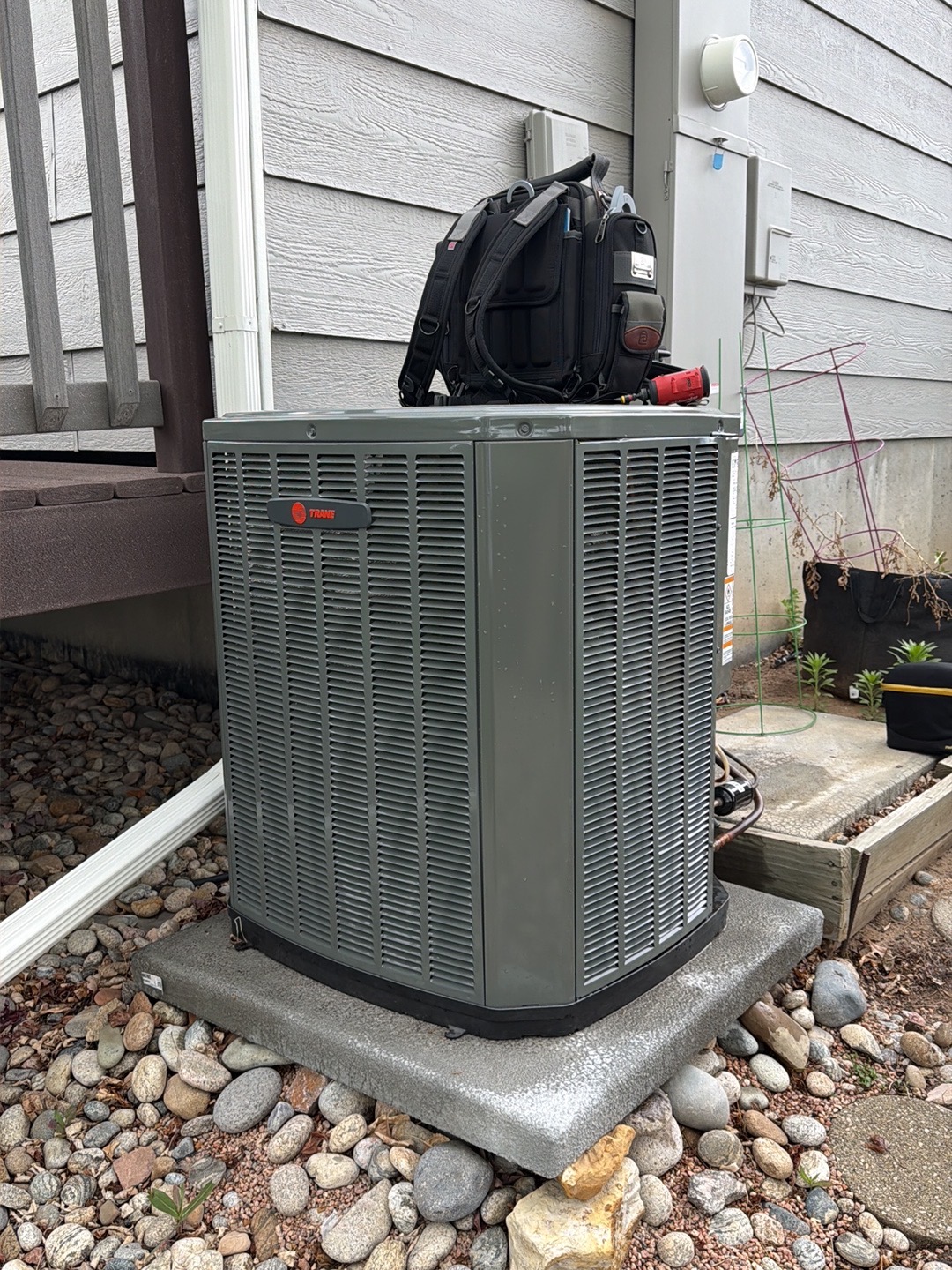
Most Colorado homes with a forced‑air furnace already have a supply trunk, branch ducts, and returns. Central AC dovetails into that system by adding an outdoor condenser, an indoor evaporator coil above or beside the furnace, and line sets that carry refrigerant between them. The thermostat controls both heating and cooling, and your blower moves the air year‑round.
Here is the simple flow:
- Outdoor unit rejects heat to the outside.
- Refrigerant carries indoor heat to the condenser.
- Indoor coil absorbs heat; blower pushes cooled air through ducts.
When ducts are sound and sized correctly, you avoid major demolition. The key is verifying static pressure, sizing, and airflow so your new AC does not struggle, short cycle, or freeze.
Pre‑Install Evaluation That Protects Comfort and Budget
A trustworthy contractor starts with a room‑by‑room load calculation and duct assessment, not a guess. We measure your home’s envelope, insulation, windows, and orientation. For Denver’s 5,280‑foot elevation and dry climate, sensible loads dominate and proper airflow is critical. We also look for former swamp cooler penetrations and attic by‑passes that can sabotage cooling.
What we evaluate:
- Manual J load to right‑size capacity.
- Duct condition, leakage, and static pressure.
- Supply and return balance in each zone.
- Electrical capacity and breaker placement.
- Condensate routing to a safe drain.
- Code clearances for the condenser and coil.
Two hard facts to ground decisions:
- ENERGY STAR notes improper HVAC installation can reduce efficiency by up to 30 percent. Correct charge and airflow matter.
- Denver’s 2022 Energy Code is based on the 2021 IECC, which raises efficiency and duct sealing expectations. Planning for that prevents inspection delays.
Choosing the Right Equipment for Existing Ductwork
Central air is not one‑size‑fits‑all. With your ducts in place, we align the AC to your blower and static pressure. Single‑stage systems are budget friendly. Two‑stage and variable‑speed systems run longer on low, which improves humidity control and comfort in shoulder seasons.
Selection checklist:
- Capacity that matches the Manual J, not the old nameplate.
- Coil and furnace blower pairing that hits target CFM and static.
- SEER2 and EER2 ratings that qualify for rebates and tax credits.
- Quiet operation and service access in tight mechanical rooms.
- Smart thermostat compatibility for better comfort and energy reporting.
Our NATE‑certified techs install all major brands and guide you to models that fit your space and goals. Variable‑speed options with smart thermostats can smooth out temperature swings in split‑levels common in Littleton and Highlands Ranch.
The Installation Day: Clean, By‑the‑Book, and Verified
A quality install is half craftsmanship, half verification. We prep floors, protect finishes, and stage materials outside to keep traffic low. Then the build begins.
Typical steps:
- Set the outdoor condenser on a level pad with proper setbacks.
- Mount and seal the indoor evaporator coil to the furnace.
- Run and insulate line sets, add a service disconnect, and pressure test.
- Pull vacuum to manufacturer specs and weigh in the factory charge.
- Run a dedicated condensate drain or pump with overflow protection.
- Wire the thermostat and low‑voltage controls, label circuits, and test.
Before we leave, we perform start‑up commissioning: verify superheat/subcool, confirm target CFM, measure temperature split, and check static pressure. Then we walk you through operation and register the warranty. We haul away the old unit and clean the work area.
Ductwork: When You Can Reuse It and When You Should Upgrade
Existing ducts are an asset, but only if they can deliver the right airflow quietly. We test them like a highway system: are trunk lines sized, branches balanced, and returns adequate?
Signs your ducts need attention:
- Rooms that never cool evenly.
- Whistling or booming when the blower ramps up.
- High static pressure readings or a starved return.
Upgrades that pay back:
- Add a return in big open areas to relieve static.
- Replace kinked flex with smooth radius fittings.
- Seal accessible ducts to trim losses and qualify for rebates.
Small adjustments at install time prevent a lifetime of comfort complaints.
Electrical, Drainage, and Code Items Homeowners Should Know
AC needs a dedicated electrical circuit, a weatherproof disconnect near the condenser, and appropriate breaker sizing. The indoor coil must drain reliably to a trapped and sloped line or a rated pump. In finished basements across Centennial and Parker, we often add a float switch to shut the system off before any overflow.
Good to know:
- As of 2023, the U.S. market uses SEER2/EER2/MHRI2 ratings. Ask your contractor to explain these.
- Clearance: Most condensers need at least 12 to 24 inches of side clearance and 60 inches above for airflow. Respecting clearances reduces noise and improves efficiency.
- Denver area jurisdictions inspect electrical, mechanical, and sometimes condensate terminations. Good paperwork and photos speed approvals.
Commissioning: The Step That Separates Pro from Average
Most callbacks trace to missed commissioning. Correct charge and airflow are not guesses. We document superheat, subcool, static pressure, and delivered CFM per ton. We verify thermostat programming and ramp profiles on variable systems.
What homeowners gain:
- Quieter operation and fewer hot‑cold swings.
- Lower bills thanks to proper refrigerant charge.
- Longer equipment life with verified airflow and clean start‑up.
We also set reminders for filter changes and, if you choose, enroll you in a maintenance plan so settings and performance stay locked in.
Timeline, Disruption, and What to Expect in Your Home
Most central air installs with existing ducts finish in one day. Complex homes, like older Denver bungalows with tight chases or estate‑scale properties with long line sets, may take two. Expect brief power shutoffs, some drilling for line sets, and outdoor work for pad and electrical. We protect floors, wear covers, and keep your pets and family in the loop before any noisy step.
Typical schedule:
- 8–9 a.m.: Arrival, protection, and staging.
- Morning: Coil set, line sets, electrical rough.
- Afternoon: Vacuum, charge, start‑up, and commissioning.
- Late afternoon: Walk‑through, warranty registration, cleanup.
Costs, Rebates, and Long‑Term Ownership
With ducts already in place, central air is usually more affordable than ductless in multi‑room homes. Price depends on capacity, efficiency, duct upgrades, and electrical needs. Many Denver‑metro homeowners offset costs with utility rebates and federal incentives.
Money‑smart facts:
- Eligible households can receive up to $14,000 in combined rebates depending on project scope.
- Federal tax credit 25C currently offers up to $2,000 for qualifying heat pumps. Air conditioners may qualify for utility rebates based on SEER2.
- We help find Xcel Energy and local utility incentives and complete the paperwork.
A maintenance plan preserves efficiency, keeps warranties valid, and catches small issues early. Our plans include seasonal tune‑ups, priority scheduling, and member‑only savings.
Special Cases: Tight Spaces, Older Homes, and Unusual Systems
Denver’s housing stock is varied. We often replace swamp coolers, navigate finished basements with concealed ducts, or retrofit around additions built over time. Our team works in tight mechanical spaces and evaluates ducts and airflow even when parts are hidden behind finishes. Where returns are starved, we discreetly add capacity. Where line sets are long, we follow manufacturer guidelines for additional refrigerant and oil management.
For hot south‑facing rooms in Highlands Ranch or Castle Rock, we may recommend supply balancing or a two‑stage or variable system to keep rooms steady without overcooling the rest of the house.
Post‑Install Care: Filters, Thermostats, and Membership Perks
Great installs deserve great care. Replace filters on schedule, keep the outdoor coil clear of cottonwood, and review thermostat schedules seasonally. Our CLUB MEMBERSHIP includes scheduled tune‑ups, reminders, and extended‑care options. Members get faster response, background‑checked techs, and help registering warranties and rebates.
If something feels off, call early. Noise, a musty smell, or poor cooling often means a simple fix when caught quickly.
Why Work With Simply Mechanical
You will not get a hard sell, vague pricing, or rushed work. You will get clear communication, upfront pricing, and a job done with care. Our NATE‑certified team installs all major brands and triple‑checks operation before we leave. We teach you how to use your new system, register the warranty, and help with rebates or tax credits. That is how we have served Denver families for more than 30 years.
Special Offer and Rebates for Denver‑Metro Homeowners
Save big on high‑efficiency cooling:
- Heat pump incentives: receive $900 per cooling ton on qualifying air‑source heat pumps and $2,250 per heating ton on cold‑climate models. Federal tax credits may add up to $2,000 more.
- Depending on your project, eligible households can access up to $14,000 in combined rebates.
Call (720) 231-0671 or visit https://simplymechanicalco.com/ to request your free quote and see which rebates you qualify for today.
What Homeowners Are Saying
"Simply Mechanical did an amazing job replacing our AC system! We had a very unusual system from a previous homeowner, and Simply Mechanical worked tirelessly to replace it with a better system, and they gave us a great price too!"
–Homeowner, Denver Metro
"Have used them for Boiler Maintenance for 10 years, and recently did a new AC installation to replace our Swamp Cooler. Wish we would have done it years ago. They stand behind their work... my 80 year old mother... chose them for an AC replacement, and was very impressed by their attention to detail and professionalism."
–Homeowner, Littleton
"They did a great job replacing our AC and furnace and were transparent about product, pricing, and delivered on a quick install. Nobody was able to match the pricing that they gave us on a Trane product."
–Homeowner, Highlands Ranch
Frequently Asked Questions
How long does central air installation take if I already have ducts?
Most homes finish in one day. Complex layouts, electrical upgrades, or duct fixes can add a second day. We confirm the schedule during your in‑home assessment.
Do my ducts need to be replaced?
Not usually. We test static pressure and inspect for kinks, leaks, and return shortages. Many homes only need sealing, a return add, or minor fittings to meet airflow targets.
Is a heat pump better than a traditional AC in Denver?
For many homes, yes. High‑efficiency heat pumps cool like AC and can heat efficiently most of the year. They may unlock larger rebates and federal tax credits.
What size AC do I need for my house?
Only a Manual J load calculation can answer that. Square‑foot rules oversize systems, causing short cycling and poor comfort. We run the numbers on every project.
Will my utility bills go down after installing central air?
If your old system was inefficient or ducts were leaky, yes. Properly sized, commissioned equipment with sealed ducts lowers energy use and improves comfort.
Conclusion
Now you know how central air is installed in a house with ductwork and what separates a great install from an average one. For homeowners in Littleton, Denver, Lakewood, and nearby, we size precisely, verify airflow, and commission every system for quiet, efficient comfort.
Call or Schedule Today
Call (720) 231-0671 or visit https://simplymechanicalco.com/ to schedule your free quote. Ask about current rebates up to $14,000 and the 25C tax credit. Ready for dependable comfort? Let Simply Mechanical design, install, and commission your new central air the right way.
Call now: (720) 231-0671 • Schedule online: https://simplymechanicalco.com/ • Ask about rebates up to $14,000 and whether your project qualifies for the $2,000 25C tax credit.
Simply Mechanical AC, Furnace & Boiler Repair has served Denver metro homeowners for 30+ years with NATE‑certified technicians, upfront pricing, and a Safety‑First promise. We design by the book, triple‑check performance, and handle complex installs, from estate‑scale systems to tight mechanical spaces. We register warranties, help with rebates, and back every job with our satisfaction guarantee. Local, trusted, and transparent.
Sources 12
- Boiler Repair in Brighton, CO, | Boiler Specialistssimplymechanicalco.com
- AC Repair in Glendale, CO | Simply Mechanicalsimplymechanicalco.com
- Fix Heating Issues Fast with Expert Boiler Repair in Centennial, COsimplymechanicalco.com
- AC Repair in Cherry Creek, CO | Simply Mechanicalsimplymechanicalco.com
- Happy comment by Regina Higginswww.google.com
- Happy comment by Wes Bennettwww.google.com
- Happy comment by Robert Stecklerwww.google.com
- Happy comment by Barbara harrisonwww.google.com
- Upgrade your home’s comfort and efficiency with rebates worth up to $9,000 on a qualified heat pump, available through Xcel Energy and Simply Mechanical.simplymechanicalco.com
- 15% DISCOUNT On all repairs and indoor air quality (IAQ) products.simplymechanicalco.com
- From free estimates to financing options, we make sure boiler installation doesn’t feel overwhelming.simplymechanicalco.com
- rebates worth up to $9,000 on a qualified heat pumpsimplymechanicalco.com