Lakewood, CO AC Installation: DIY vs Pro HVAC Help
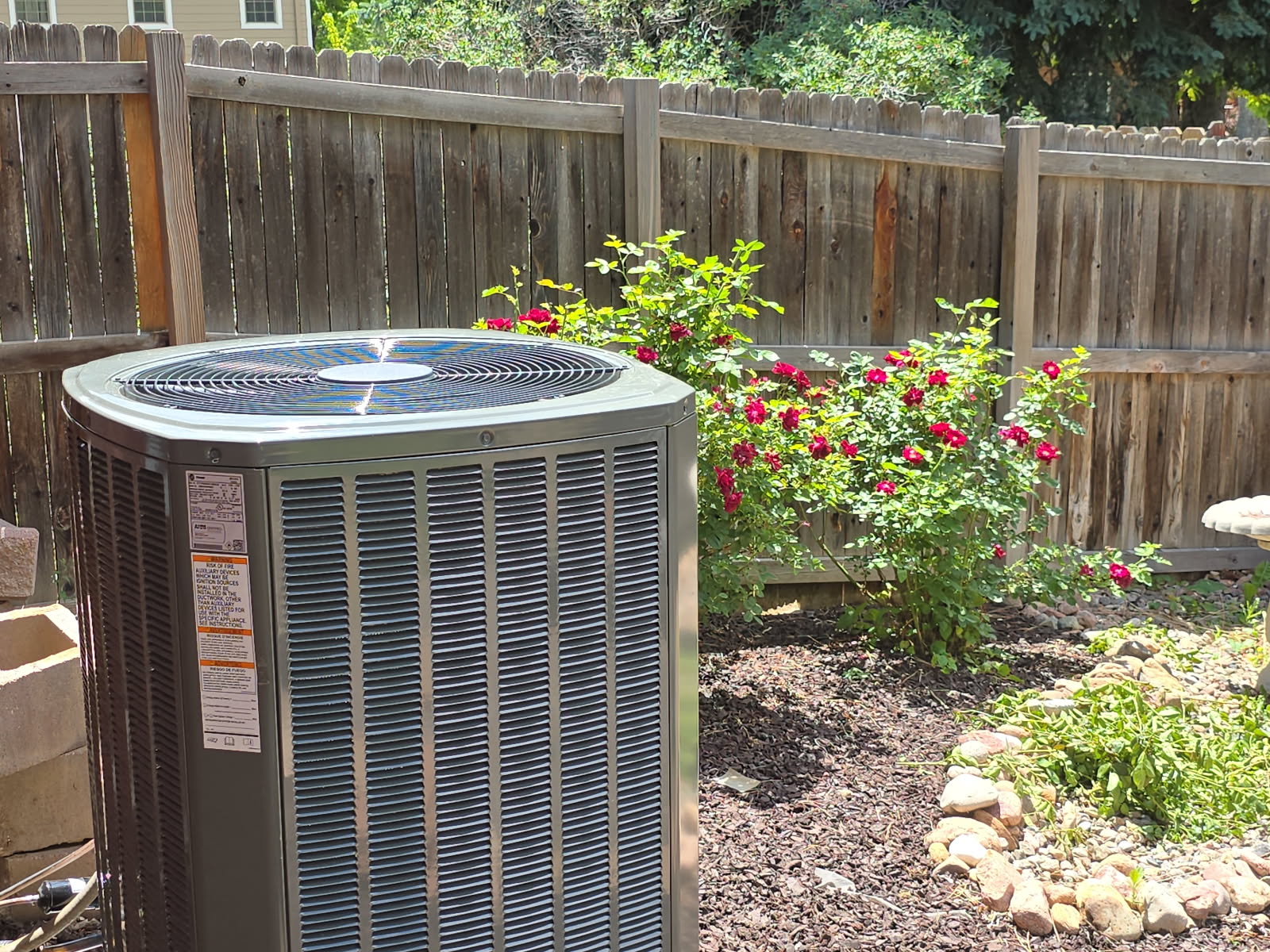
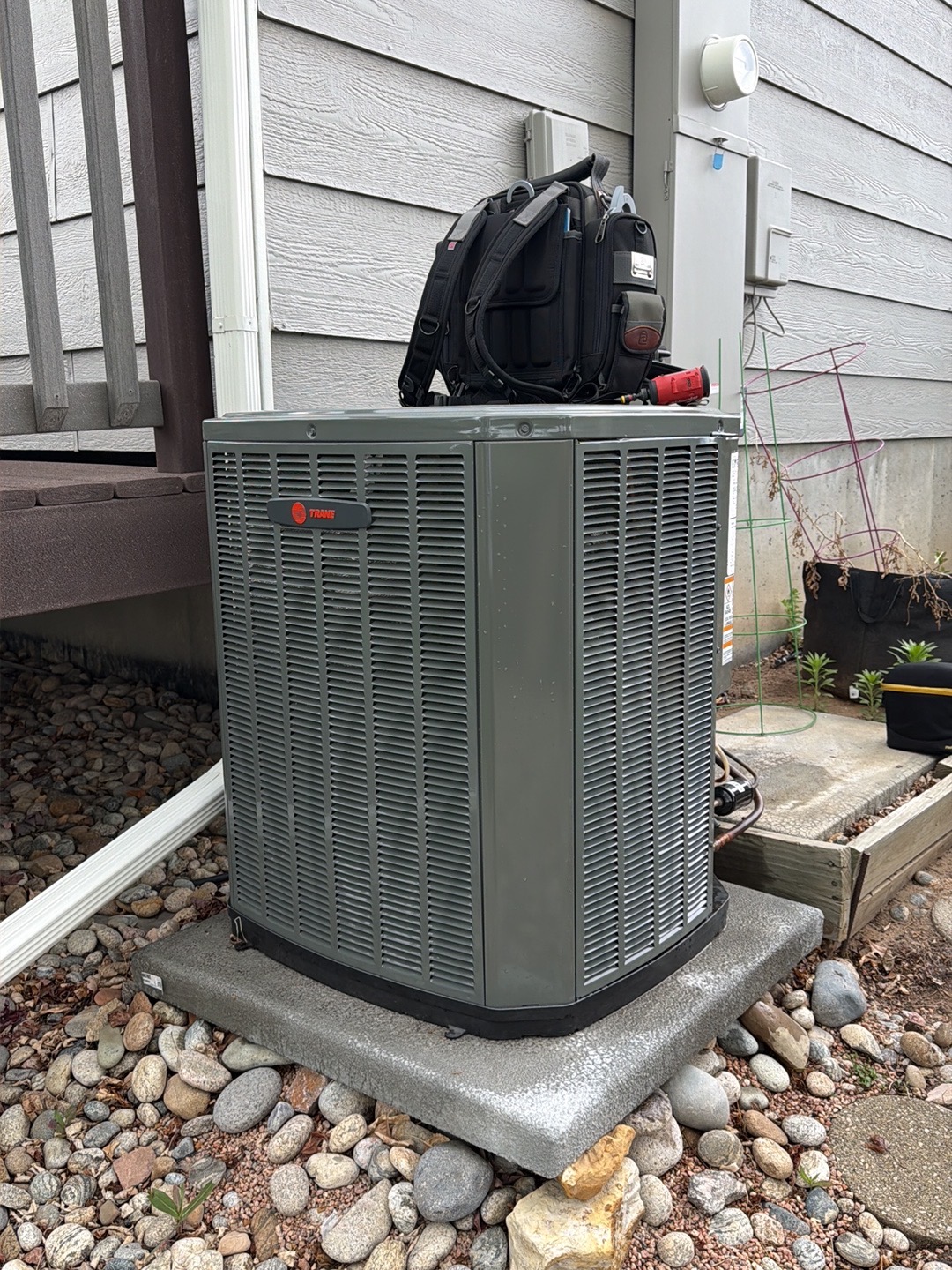
Mini split installation looks simple on YouTube, but homeowners in Denver and Littleton quickly learn it is a precision job. If you are weighing DIY vs professional mini split installation, this guide breaks down costs, risks, permits, and what a pro adds so you get quiet comfort and warranty‑safe performance the first time.
What Mini Split Installation Really Involves
A mini split is a high‑efficiency heat pump that cools and heats with an outdoor condenser and one or more indoor air handlers. A correct installation is more than hanging a head and plugging in power.
- Load calculation to right‑size capacity for each room
- Mounting and vibration control for indoor and outdoor units
- Line‑set routing with proper bend radius and insulation
- Electrical circuit and disconnect per code
- Precise refrigerant work: nitrogen pressure test, deep vacuum, and charge verification
- Condensate management and freeze protection
- Controls setup and homeowner training
In the Denver metro, details like snow clearance, hail resilience, and long line‑set runs in finished basements matter. A tidy install today prevents noise, leaks, and warranty headaches later.
“They did a great job replacing our AC and furnace and were transparent about product, pricing, and delivered on a quick install.”
DIY Mini Split Installation: Pros, Cons, and Real Risks
Some homeowners consider DIY to save on labor or shorten lead time. A DIY path can work for experienced tradespeople on a simple, single‑zone setup, but most homes face hidden complexity.
Pros:
- Lower upfront labor cost on paper
- Flexible timing if permits, tools, and helpers are ready
Cons and risks:
- Permits and inspections: Denver, Littleton, and most Front Range cities require mechanical and electrical permits for new HVAC equipment. Skipping permits can void insurance or delay a home sale.
- Refrigerant handling: The EPA requires Section 608 certification to service or open sealed systems. Venting or improper charging risks fines and system failure.
- Warranty limits: Many OEM warranties exclude DIY installs or require proof of commissioning by a licensed HVAC contractor.
- Performance loss: A shallow vacuum, kinks in lines, or wrong torque can cut capacity and efficiency. That means higher bills and rooms that never feel right.
- Safety: Mis‑sized circuits, missing disconnects, or poor clearances can create shock or fire hazards.
“We had a very unusual system from a previous homeowner, and Simply Mechanical worked tirelessly to replace it with a better system.”
When DIY Goes Wrong in Denver Homes
We see common patterns when we are called to fix a DIY mini split installation:
- Undersized single‑zone units serving large open spaces in Highlands Ranch two‑stories
- Condensate lines tied into traps that freeze near Ken Caryl crawlspaces
- Line‑sets run through unconditioned garages in Castle Rock without insulation, causing capacity loss
- Outdoor units placed under roof drip lines that ice over during spring storms
- No hail guard on exposed condensers west‑facing in Lakewood
Each issue adds cost later because walls get reopened, refrigerant must be recovered, and new permits pulled. The most expensive jobs we correct are the ones started to “save” money.
“Wish we would have done it years ago. They stand behind their work.”
Professional Mini Split Installation: What You Actually Get
A professional installation delivers predictable comfort, compliance, and documentation that protects your warranty and resale value.
What our NATE‑certified team provides:
- Engineering and sizing: We model heat gains, elevation, and sun exposure common in Denver and Littleton to size equipment zone by zone.
- By‑the‑book install: Clean prep, proper anchors, line‑set covers, and quiet‑mount pads. We triple‑check operation before we leave.
- Refrigerant integrity: Nitrogen pressure test and evacuation to manufacturer standards with a micron gauge, then charge verification by superheat/subcooling.
- Electrical and code: Dedicated circuits, correct breaker size, outdoor disconnect, and labeling for inspection.
- Airflow and finish: Level mounts, correct clearances, and airflow tuning so rooms feel even and quiet.
- Handoff and support: Walk‑through, app pairing for smart controls, and help registering warranties and rebates.
“Simply Mechanical has taken care of my furnace and AC since its installation, they were always on time. Technicians are very knowledgeable and polite.”
Cost Comparison: DIY vs Pro in the Denver Metro
Costs vary by brand, number of zones, and the difficulty of your home’s layout, but the pattern is consistent.
- DIY kit costs: Single‑zone kits often run less than professional equipment, but add tools, vacuum pump, micron gauge, torque wrenches, flaring blocks, electrical panels, permits, and your time.
- Professional install: You pay for licensed labor, commissioning, permits, haul‑away, and warranty support. That reduces risk and protects long‑term efficiency.
Where pros save you money:
- Right‑sizing avoids buying too big or too small
- Efficient routing shortens line‑sets and reduces charge
- Fewer callbacks and no rework after inspection
- Access to rebates and financing you might miss on your own
“Nobody was able to match the pricing they gave us on a Trane product.”
Safety, Code, and Warranty Realities in Colorado
Before you consider DIY, keep these hard facts in mind:
- EPA 608 certification is required in the U.S. to handle refrigerants. If you open a sealed system without certification, you risk fines and immediate warranty loss.
- Denver‑area jurisdictions require mechanical and electrical permits for new HVAC installations. Inspectors look for proper disconnects, conductor size, and equipment clearances.
- Manufacturers can deny claims for improper evacuation, kinks, or incorrect torque on flare fittings. They may request commissioning records and installer credentials.
A permit and inspection record protects you during home resale and with insurance carriers.
How Simply Mechanical Installs Mini Splits the Right Way
We built our process around clean, compliant installs that last.
- Home assessment: We evaluate airflow, insulation, and zoning because every house in Littleton is a little different.
- Placement plan: We choose indoor head locations for comfort and service access. Outdoors, we aim for hail‑safe sites with snow clearance.
- Prep and protection: Floor covers, shoe covers, and clean work zones.
- Line‑set craft: We route and insulate line‑sets, use proper bend radius, and seal penetrations for weather and pests.
- Refrigerant integrity: We nitrogen‑test, then evacuate with a micron gauge to manufacturer targets before opening valves.
- Electrical and controls: Correct breakers, disconnects, and control wiring. We set up thermostats or apps and show you how everything works.
- Triple‑check and training: We verify heating and cooling modes, airflow, and condensate drainage, then register warranties and handle rebate paperwork.
“We prep your space to keep it clean, install your new system by the book, and triple‑check that everything runs smoothly before we leave. We’ll even haul away the old unit and show you how to work the new one before we go.”
Choosing the Right System for Your Space
Picking equipment is half the battle. We install all major brands, from single‑zone to multi‑zone, and from single‑stage to variable‑speed models with smart controls.
Consider:
- Rooms and loads: Basements, bonus rooms over garages, and west‑facing lofts in Highlands Ranch each need tailored capacity.
- Noise targets: Bedrooms benefit from ultra‑quiet indoor heads and vibration‑isolated outdoor units.
- Aesthetics: Line‑set covers and slim‑duct units can keep your walls clean in Englewood bungalows.
- Future add‑ons: Plan for extra zones or a later whole‑home heat pump conversion.
- Cold‑climate performance: Choose models rated for Colorado cold snaps with high HSPF and strong low‑temp output.
Financing, Rebates, and Real‑World Savings
Mini splits can unlock serious incentives in Colorado when properly installed and documented. We help you navigate them.
- Utility and program incentives: Rebates worth up to $9,000 on a qualified heat pump, plus offers such as $900 per cooling ton and up to $2,250 per heating ton on qualifying cold‑climate heat pumps.
- Federal tax credit: Many households can claim up to 30 percent of project cost, capped at $2,000 for heat pumps under current federal rules. Consult your tax advisor.
- Stacked savings: Eligible homes may receive up to $14,000 in combined rebates depending on scope and income qualifications.
- Financing: Flexible plans available to spread the investment over time.
We verify product eligibility, submit paperwork, and ensure inspections pass on the first attempt, so you capture every dollar.
Maintenance and Ownership Tips for Long‑Term Performance
Your mini split will reward light, regular care.
- Clean or replace filters every 1 to 3 months during peak season
- Keep outdoor coils clear of leaves and snow; add hail guards where exposure is high
- Schedule professional maintenance yearly to check charge, electrical connections, and drain lines
- Use smart scheduling and set modest temperature swings for comfort and savings
A tuned system runs quieter, lasts longer, and protects your warranty.
Bottom Line: DIY vs Professional Help
If you have permits, tools, and EPA certification, a simple single‑zone DIY mini split installation may be possible. For most Denver‑area homes, professional installation wins on safety, comfort, code compliance, rebates, and warranty protection. The total cost of ownership is almost always lower with a correct install on day one.
Special Offers and Rebates for Denver‑Area Homeowners
- Save big with rebates worth up to $9,000 on a qualified heat pump mini split installation.
- Receive $900 per cooling ton on eligible air‑source heat pumps.
- Receive up to $2,250 per heating ton on qualifying cold‑climate heat pumps.
- Many households can claim a 30% federal credit, capped at $2,000, for heat pumps. Eligibility varies.
- In total, eligible households can receive up to $14,000 in combined rebates depending on project scope and qualifications.
Call (720) 231‑0671 or visit https://simplymechanicalco.com/ to check your eligibility and lock in incentives.
What Homeowners Are Saying
"Simply Mechanical did an amazing job replacing our AC system! We had a very unusual system from a previous homeowner, and Simply Mechanical worked tirelessly to replace it with a better system, and they gave us a great price too!"
"They did a great job replacing our AC and furnace and were transparent about product, pricing, and delivered on a quick install. Nobody was able to match the pricing that they gave us on a Trane product."
"Have used them for Boiler Maintenance for 10 years, and recently did a new AC installation to replace our Swamp Cooler. Wish we would have done it years ago. They stand behind their work."
"I had 4 companies quote a new furnace and a/c unit to replace an existing 23 year old system. Simply Mechanical responded in a timely and professional manner... I’d definitely recommend talking to them if you’re in the market for a new HVAC system!"
Frequently Asked Questions
Can I legally install my own mini split in Colorado?
You can own and perform some work on your property, but most jurisdictions require mechanical and electrical permits. Handling refrigerant requires EPA 608 certification.
Will a DIY install void my manufacturer warranty?
Often yes. Many brands require proof of professional installation and commissioning. Check your warranty terms before you buy a kit.
How long does professional mini split installation take?
Most single‑zone systems install in one day. Multi‑zone or complex routes can take two to three days, including inspections.
Are mini splits efficient enough for Denver winters?
Cold‑climate models perform well here. Choose equipment rated for low outdoor temperatures and verify sizing with a load calculation.
What size mini split do I need for my room?
It depends on square footage, insulation, windows, and sun exposure. A load calculation is the right way to size, not a rule of thumb.
Conclusion
Mini split installation is a precision job. In the Denver metro, permits, elevation, and weather demand a by‑the‑book approach. Professional installation protects your comfort, warranty, and rebate dollars. When you want quiet rooms and a flawless finish, choose a pro.
Call, Schedule, or Chat
Call Simply Mechanical at (720) 231‑0671 or visit https://simplymechanicalco.com/ to schedule a no‑pressure mini split installation estimate. Ask about rebates worth up to $9,000 and combined savings up to $14,000 if eligible.
Call now: (720) 231‑0671 • Schedule at simplymechanicalco.com • Ask about rebates up to $9,000 on qualifying heat pumps for Denver‑area homes.
About Simply Mechanical
For 30+ years, Simply Mechanical AC, Furnace & Boiler Repair has served Denver, Littleton, and surrounding cities with NATE‑certified technicians, upfront pricing, and a satisfaction guarantee. We install and service mini splits, heat pumps, AC, and whole‑home systems. Expect clean, by‑the‑book installs, rebate guidance, and responsive support. Background‑checked pros. Extended warranties available. Local insight, commercial‑grade skill, neighborly service.
Sources 12
- Happy comment by Wes Bennettwww.google.com
- Happy comment by Mary Shippywww.google.com
- Happy comment by David Kalmbachwww.google.com
- Happy comment by Kori Hallwww.google.com
- AC Repair in Columbine, CO | Simply Mechanicalsimplymechanicalco.com
- Commercial Boiler Repair & Installation in Littleton, COsimplymechanicalco.com
- AC Repair in Littleton, CO | Trusted Local HVAC Prossimplymechanicalco.com
- Furnace Repair in Northglenn, CO | Simply Mechanicalsimplymechanicalco.com
- In total, eligible households can receive up to $14,000 in combined rebates, depending on the scope of the project.simplymechanicalco.com
- $2,000 for installing a cold-climate heat pumpsimplymechanicalco.com
- 15% DISCOUNT On all repairs and indoor air quality (IAQ) products.simplymechanicalco.com
- Contact us today for a free quote or to schedule your ductless installation—we’re on time, upfront, and ready to help.simplymechanicalco.com